Is your Smoky Mountain cabin layout helping or hurting your bookings? In Pittman Center, floor plan choices shape photos, guest comfort, and operational costs more than almost any other decision. Whether you are buying a finished cabin or planning a new build, the right layout can attract the guests you want and protect your bottom line.
This guide breaks down popular Smoky cabin floor plans, who they fit, and how each choice affects appeal, maintenance, and revenue in Pittman Center. You will also get practical templates and next steps to move forward with confidence. Let’s dive in.
Why layout matters in Pittman Center
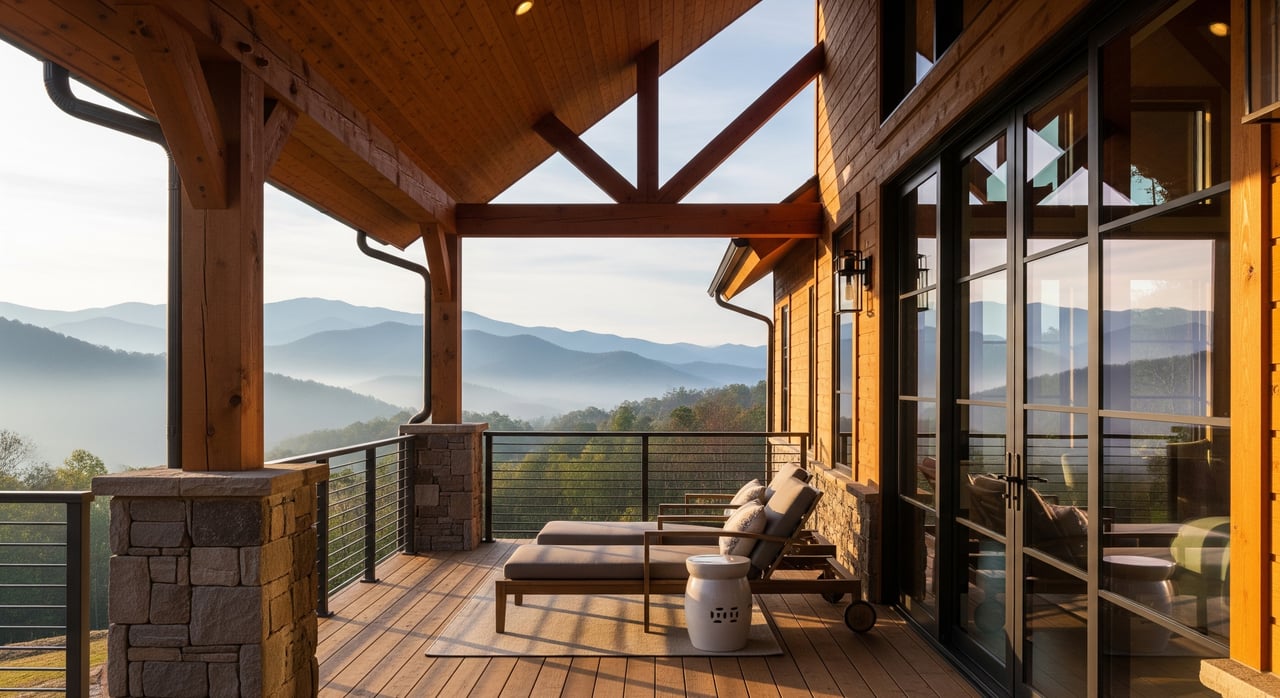
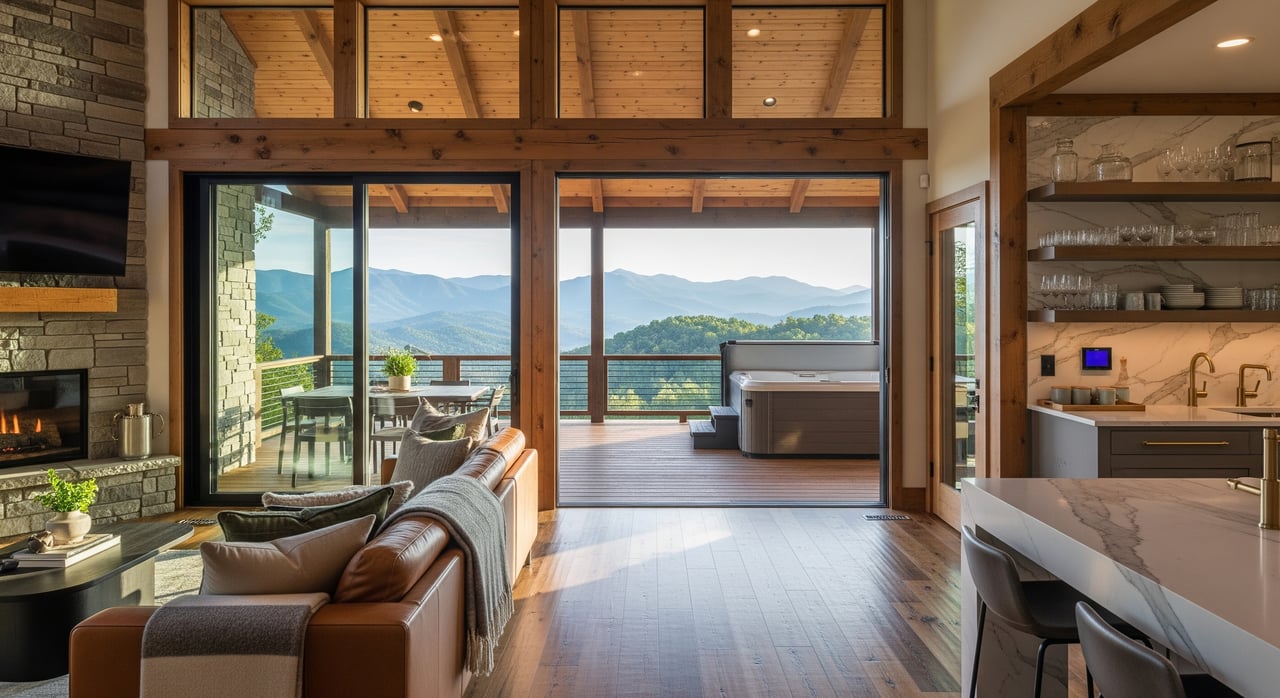
Pittman Center borders Great Smoky Mountains National Park and sits close to Gatlinburg, Ober Gatlinburg, and the wider Sevier County attractions. The park is the most visited in the United States, and proximity to trailheads, views, and nearby entertainment is a powerful booking driver. Your layout should help you showcase the setting with open living spaces, big windows, and indoor-outdoor flow.
Seasonality matters too. Spring wildflowers, fall color, summer vacations, and winter holidays bring peak demand. Layouts with flexible sleeping, game or theater spaces, and hot tubs or pools help you capture off-season stays and keep shoulder-month occupancy steady.
Before you commit to any plan, verify local rules and site limits:
- Confirm whether Pittman Center or Sevier County requires a short-term rental registration, permit, or specific parking, noise, and occupancy standards.
- Review state and local tax obligations for short-term rentals. Platforms may remit some taxes, but owners are responsible for proper registration and compliance.
- Check utilities and septic capacity. Many mountain lots rely on septic systems and well water, which can limit allowable sleeping capacity.
Popular Smoky cabin floor plans
Classic great room with bedrooms
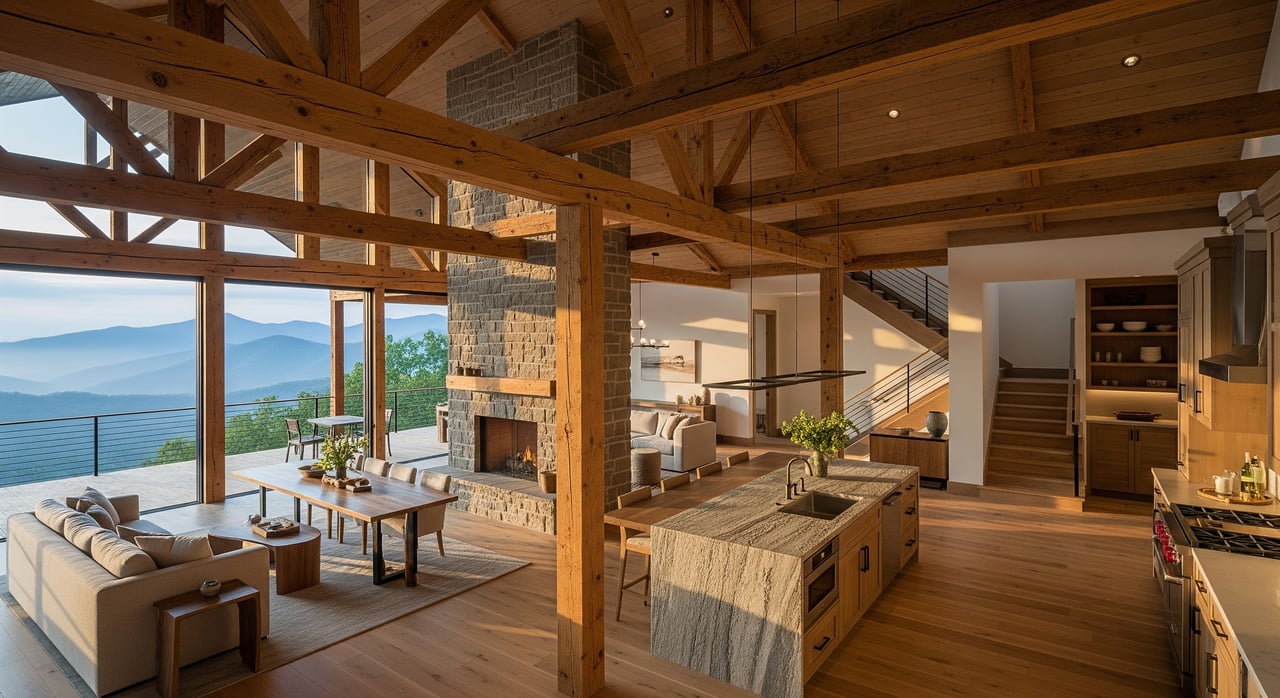
- What it is: A vaulted great room with an open kitchen and dining area, plus bedrooms and porches on the perimeter.
- Best for: Couples and small families who value simple, scenic main-level living.
- Pros:
- Efficient circulation that photographs well.
- Lower build and operating costs compared to amenity-heavy layouts.
- Easy to enjoy views from the main level.
- Considerations:
- Limited dedicated entertainment space for larger groups.
Bunk-room focused layout
- What it is: One or more rooms with built-in bunks or stacked beds, often with a family-style bathroom.
- Best for: Families with kids, youth groups, and reunions seeking higher legal sleeping capacity.
- Pros:
- Increases sleeping count without adding full bedrooms.
- Attracts family bookings and can lift occupancy.
- Considerations:
- Can reduce average daily rate per person.
- Higher wear, so plan for durable finishes and ventilation and egress that meet code.
Loft or game loft
- What it is: An open or semi-open upper loft with a game table, seating area, or sleeper sofa.
- Best for: Teens and multi-generation groups who want a separate hangout.
- Pros:
- Adds a social zone without a full extra bedroom.
- Creates appealing listing photos with visible activity space.
- Considerations:
- Limited privacy and potential noise transfer to the main level.
Theater nook or media room
- What it is: An enclosed room with projector or large display and plush seating.
- Best for: Families and friend groups, especially in shoulder and winter seasons.
- Pros:
- Differentiates your listing and can extend stay length.
- Useful in rainy or colder weather.
- Considerations:
- Additional AV maintenance and recommended soundproofing.
Indoor pool or aquatic room
- What it is: A fully enclosed pool room, often on a lower level, with proper dehumidification and ventilation. Hot tubs may be indoors or on a deck.
- Best for: Luxury and experience-seeking guests willing to pay for year-round water fun.
- Pros:
- Significant boost to perceived value and ADR.
- Strong draw in winter and shoulder months.
- Considerations:
- High upfront cost and ongoing maintenance, utilities, and insurance.
- Mechanical complexity, including dehumidification and heating.
Multi-master or split plan
- What it is: Two or more primary suites spaced on separate levels or wings for privacy.
- Best for: Couples traveling together, multi-family groups, and older guests who prefer a main-level suite.
- Pros:
- Increases privacy and can lift ADR.
- Flexible for a wide range of group types.
- Considerations:
- More bathrooms add cleaning time and maintenance.
Walkout basement rec-room
- What it is: A lower level that opens to grade with a rec room, wet bar, theater, or pool, plus optional bedrooms.
- Best for: Groups that value separate activity space and a quiet main level.
- Pros:
- Efficient use of sloped Smoky Mountain lots.
- Separates noise and adds usable square footage.
- Considerations:
- Daylight and egress must meet code, and moisture control is important.
Match layouts to guest profiles
Different travelers book for different reasons. Aligning your layout with your target guest adds clarity to pricing and amenity choices.
- Couples and romantic getaways
- Best layouts: One to two bedrooms, vaulted great room, fireplace, large deck, and hot tub. Views and finishes drive pricing.
- Families with children
- Best layouts: Three to four bedrooms with a bunk room or loft, game space, user-friendly kitchen, and laundry. Safety items and family-friendly amenities matter.
- Multi-family reunions and groups
- Best layouts: Four to six bedrooms with multiple masters, large dining, separate entertainment zones, and abundant parking.
- Corporate retreats and team groups
- Best layouts: Multiple gathering spaces, strong Wi-Fi, large table for work, and breakout zones like a theater or game room.
- Luxury and experience seekers
- Best layouts: En-suite bedrooms, indoor pool or spa room, theater, high-end finishes, and panoramic decks.
Cost and revenue tradeoffs to plan for
Every added feature improves appeal in some way, but each also adds cost or complexity:
- Capacity features
- Bunk rooms and loft sleepers can increase occupancy and bookings, but they may lower ADR per person and increase wear-and-tear and laundry. Plan for durable materials and efficient housekeeping.
- Amenity upgrades
- Hot tubs, theaters, and especially indoor pools lift ADR and extend seasonal demand. They also increase capital and operating costs, including utilities, insurance, and professional servicing.
- Privacy features
- Multiple master suites and en-suite baths often pay off with higher rates and better reviews from groups that value private sleeping zones.
If your goal is maximum per-night revenue with fewer bookings, invest in quality finishes, en-suite bedrooms, and one or two high-impact amenities. If your goal is high total revenue via occupancy, lean into efficient sleeping capacity with a bunk room or loft and practical family-friendly features, then price competitively.
Site, construction, and safety in the Smokies
Mountain lots in Pittman Center are often sloped, which shapes design and budget:
- Foundations and grading
- Expect engineered foundations, erosion control, and potential retaining walls. Walkout basements can be a cost-effective way to add rec rooms, theaters, or pool space.
- Septic and utilities
- Design the septic system for peak occupant load. Higher legal sleeping capacity may require an engineered system or a municipal sewer connection if available.
- HVAC and insulation
- Vaulted great rooms need properly sized systems. Indoor pools require dedicated dehumidification and separate heating.
- Safety and code
- Provide code-compliant egress for bunk rooms and lofts. Install smoke and carbon monoxide alarms per local requirements. Ensure safe railings on elevated decks and stairs, and consider stair gates if you market to families.
- Insurance
- Indoor pools, high-capacity sleeping, and certain equipment can raise insurance premiums. Consult an experienced broker early.
- Turnover and maintenance
- More bedrooms and baths mean longer cleans. Pool rooms and theater systems need specialized service. High-capacity cabins generate more laundry, which may require larger equipment or off-site services.
Ready-to-use plan templates
Use these simple templates as starting points for Pittman Center properties.
Couples or small family STR (2–4 guests)
- Layout: One to two bedrooms, two baths with at least one en-suite, vaulted great room with fireplace, large deck with hot tub, efficient kitchen, and one parking space.
- Why it works: Romantic and retreat-focused bookings with strong photo angles and a low operating footprint.
Family-friendly rental (6–10 guests)
- Layout: Three bedrooms including one master, one dedicated bunk room for four to six, three baths, loft game area, sizeable kitchen and dining, and a mudroom with laundry.
- Why it works: Flexible sleeping for families plus activities that keep kids entertained during shoulder seasons.
Large group or reunion cabin (10–20 guests)
- Layout: Four to six bedrooms with two to three masters, one to two bunk rooms, four to six baths, large open social area, separate rec room or theater, ample parking, and outdoor living areas.
- Why it works: Balances privacy and together-time with multiple entertainment zones.
Luxury experience cabin (4–12 guests)
- Layout: Three to four en-suite bedrooms, indoor pool or spa room, theater nook, premium finishes, panoramic deck, and private hot tub.
- Why it works: Positions you for higher ADR with fewer but higher-value bookings.
Quick planning rules of thumb
- Size social space to match capacity. A 12-person cabin needs a dining table and seating to fit that number comfortably.
- Aim for at least one full bath per two bedrooms. En-suites improve reviews and rates.
- Zone noise. Place game rooms and theaters away from primary sleeping areas or add sound separation.
- Provide practical operations touches: a mudroom or drop zone, a lockable owner closet, mapped parking for your max occupancy, and clear check-in instructions.
Analytics and next steps
Make your layout decision with data and due diligence:
- Pull comparable STR data for Pittman Center and Gatlinburg by bedroom count, sleeping capacity, and amenities. Compare ADR, occupancy, and RevPAR for cabins with and without pools, game rooms, or bunk rooms.
- Study seasonal demand. Align sleeping capacity and kitchen size with typical length of stay and group size across peak and shoulder months.
- Read guest reviews from competing listings. Note praise and complaints about layouts, noise, parking, stairs, and entertainment spaces.
- Confirm permit, tax, and zoning requirements with the Town of Pittman Center and Sevier County. Verify whether parking, occupancy limits, or noise rules affect your plan.
- Check septic and water capacity early. Ensure the parcel supports your desired sleeping count.
- Get insurance quotes for your amenity mix, especially if you plan a pool or high sleeping capacity.
- Hire an architect or contractor experienced with Smoky Mountain construction to price foundations, grading, and mechanical systems sized for vaulted rooms and pools.
- Engage a local STR property manager to model cleaning times, laundry logistics, and utility expectations for your plan.
Final takeaways
Your best Pittman Center cabin layout starts with the guest you want to attract. Families and groups respond to bunk rooms, game lofts, and multiple masters. Luxury seekers look for indoor pools, theater spaces, and premium finishes. Every upgrade helps bookings in some way, yet each one adds cost or complexity. Site topography, septic capacity, and local rules will shape what is realistic. Validate your plan against local comps and real guest feedback before you build or buy.
If you would like a second set of eyes on a floor plan or need a turnkey path from land to rent-ready cabin, schedule a consultation with David Rasmussen. Our team blends brokerage and development expertise to help you choose a layout that fits your goals and the Pittman Center market.
FAQs
What floor plan fits a 2-bedroom STR in Pittman Center?
- Choose a vaulted great room with an open kitchen, one en-suite bedroom, a second full bath, a large deck with a hot tub, and simple main-level living for easy guest comfort and strong photos.
How do bunk rooms affect bookings and ADR in the Smokies?
- Bunk rooms boost sleeping capacity and occupancy for family travel, but they may reduce ADR per person and increase wear, laundry, and cleaning times.
Is an indoor pool worth it for a Pittman Center cabin?
- Indoor pools can raise ADR and improve shoulder and winter demand, but they add significant upfront cost, utilities, dehumidification needs, and higher insurance.
What should I confirm about septic for a high-capacity layout?
- Verify the septic system is sized for peak occupancy and code-compliant egress in sleeping areas; high capacity may require engineered systems or municipal sewer where available.
How many bathrooms should a large-group cabin have?
- Aim for at least one full bath per two bedrooms and add multiple en-suites for privacy; this supports better reviews and higher rates for multi-family groups.